Maths at Kaikorai-Term 2 News
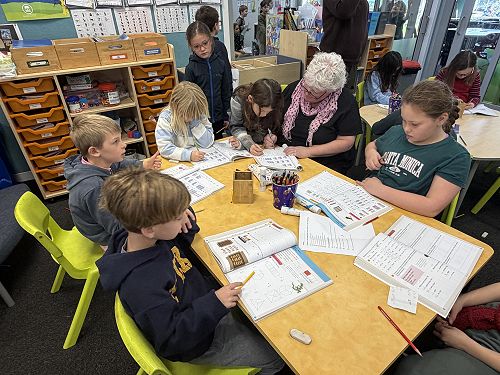
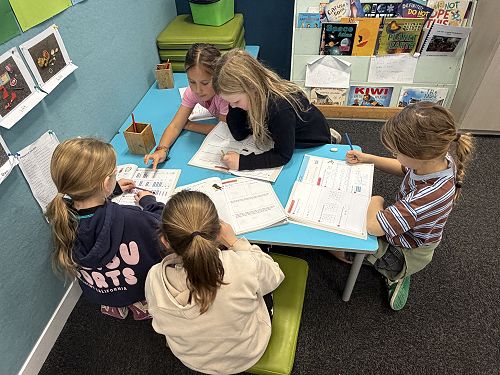
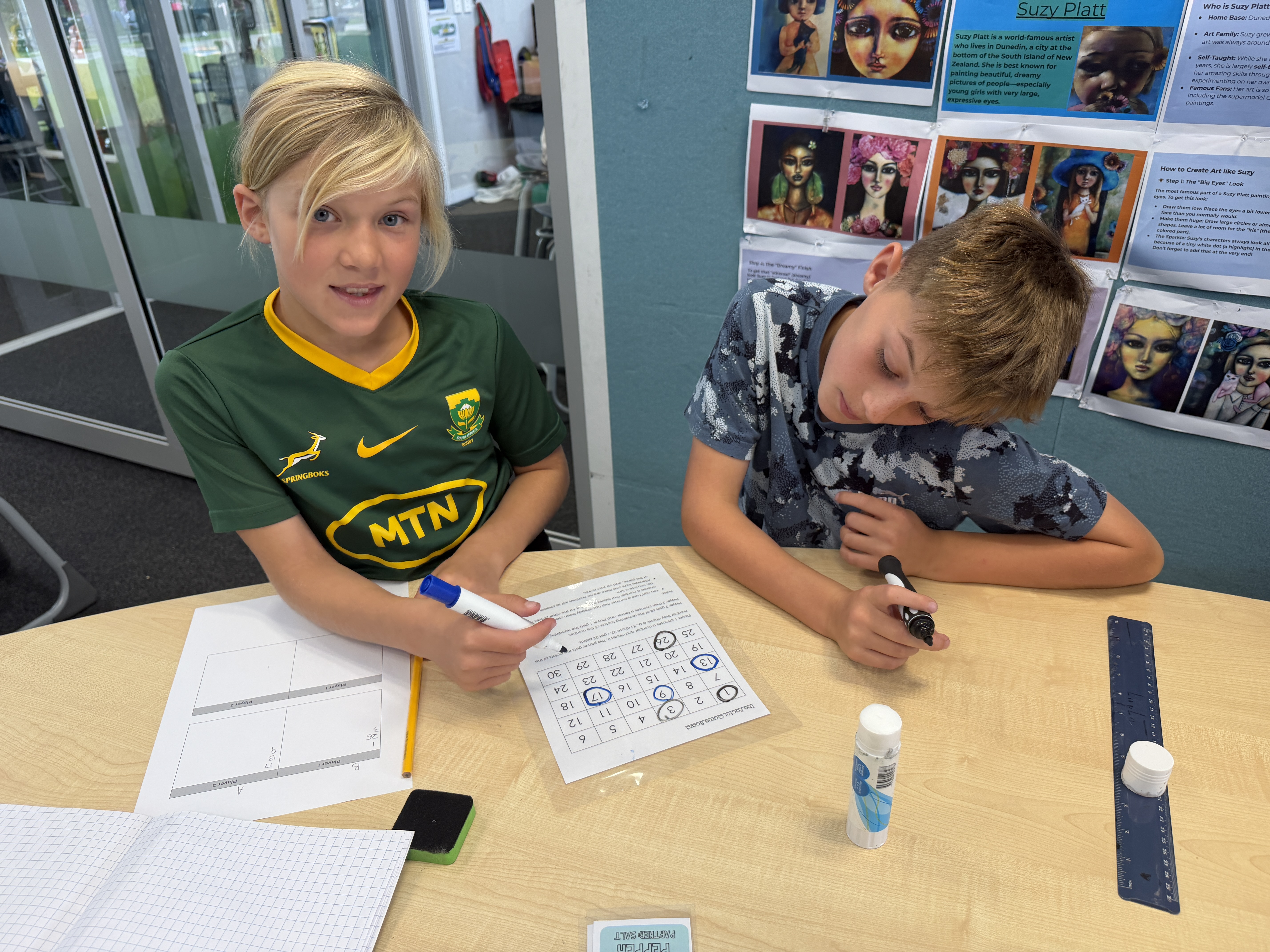
At Kaikorai, teachers are committed to providing our learners with the best possible teaching and learning in mathematics by continually updating their maths knowledge. Our lessons focus on the explicit teaching of maths concepts through rich problem-solving tasks and daily practice.
Our programmes are built around four core pillars: explicit teaching, fostering positive relationships with learning, using rich tasks, and developing strong communication skills.
For your child, this means they will experience highly interactive, structured lessons in which teachers clearly demonstrate and explain new concepts, using visual tools to ensure the information is easy to digest without overwhelming them.
We nurture your child’s confidence by setting high expectations, celebrating mistakes as valuable learning steps, and reducing anxiety by tailoring the level of challenge to their individual needs.
Through engaging and rich tasks, learners are encouraged to think critically, solve meaningful problems, and take ownership of their learning. We encourage our learners to share their reasoning, collaborate with peers, and clarify their thinking.
Ultimately, this approach ensures that your child truly understands, enjoys, and confidently applies mathematics and statistics to the world around them.
In the Classrooms
This term, there has been a great deal of learning in mathematics. Topics have included basic daily facts and number activities, geometry, measurement, statistics, time, algebra, and financial maths. One of the best things about our maths programme is that maths concepts are revisited frequently throughout the term, ensuring that children see content from all strands regularly.
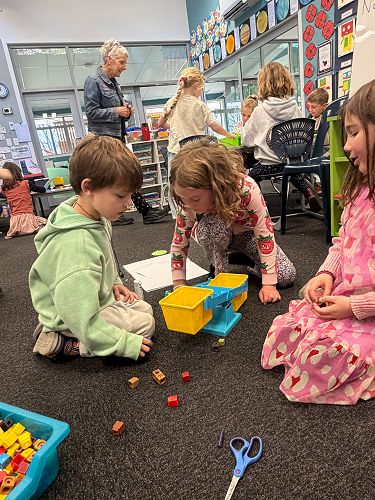
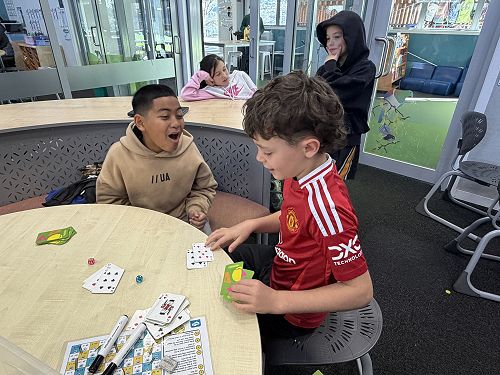
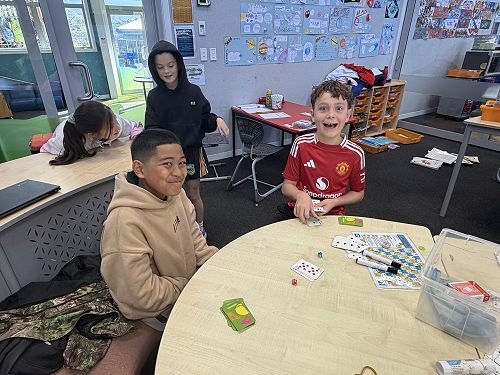
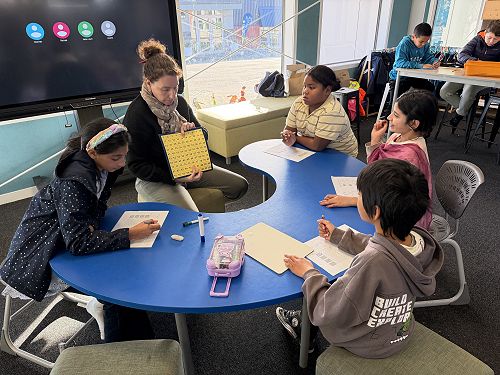
Lessons always begin with a warm-up task that revisits previously learned concepts and skills. Problem-solving tasks are also included, and students generally take part as a whole class. After the warm-up and revision tasks, students work in groups, as a class, and individually to engage in new learning.
Some of our classes have been teaching using the Building Thinking Classrooms way of thinking and learning.
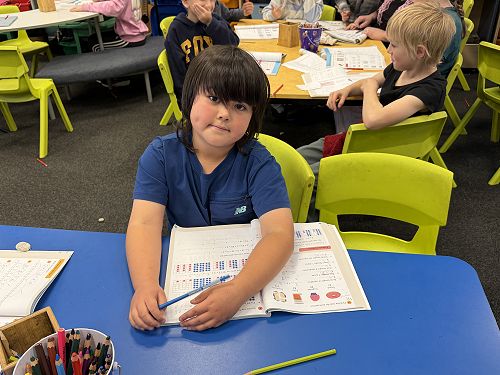
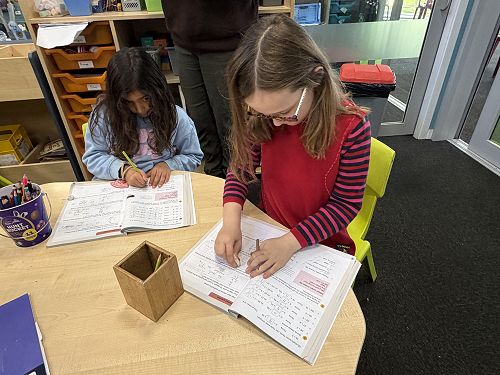
Our core resource in the Oxford Maths programme. Oxford Maths provides our school with a structured, mastery-based curriculum fully aligned with the refreshed New Zealand Curriculum. Utilising evidence-based practice and explicit teaching, the programme features a cohesive five-step weekly sequence—including digital tools, student workbooks, and pre- and post-assessments—to ensure every child masters core skills while receiving the targeted support or extension they need. While this is our main resource, teachers use a variety of resources to ensure students have a variety of interesting experiences in mathematics.
Pīwakakaka
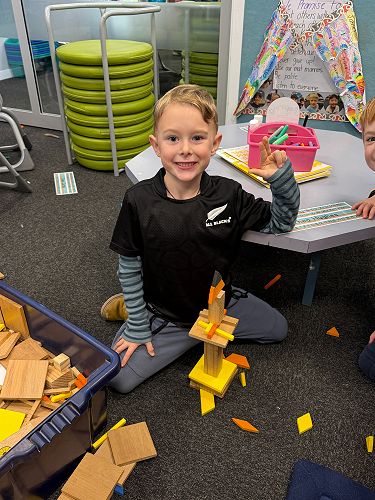
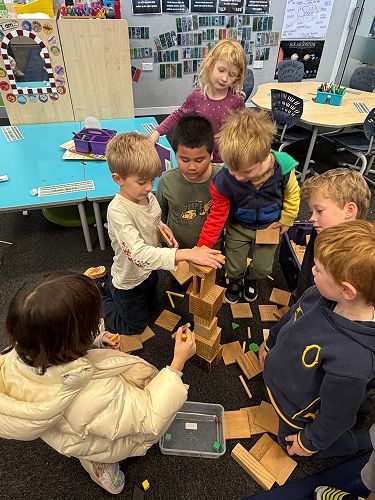
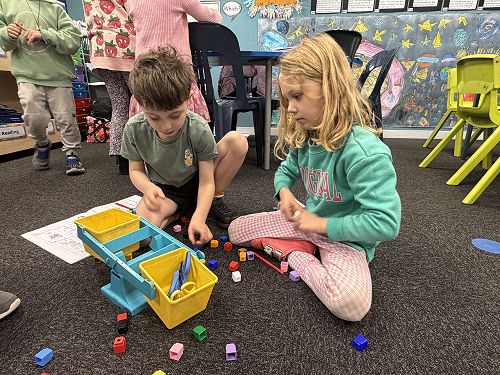
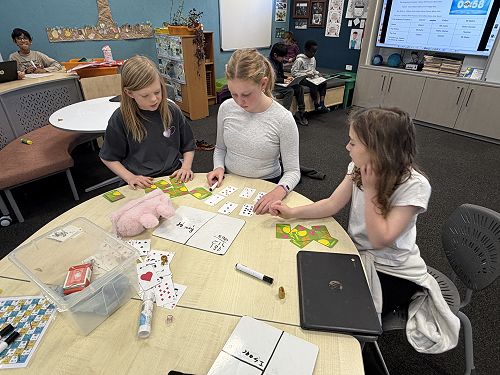
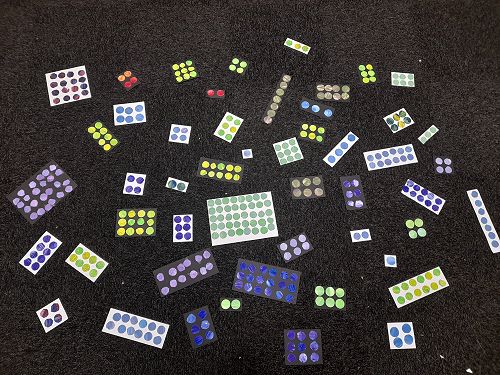
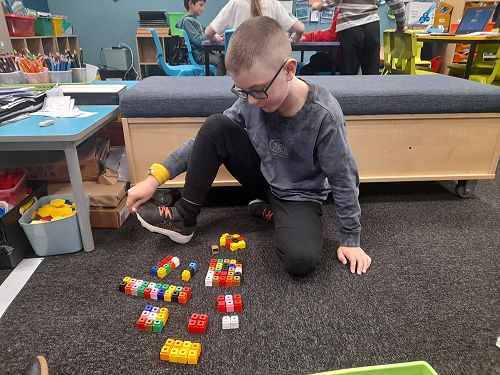
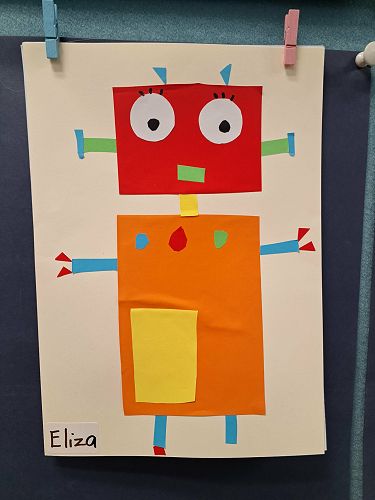
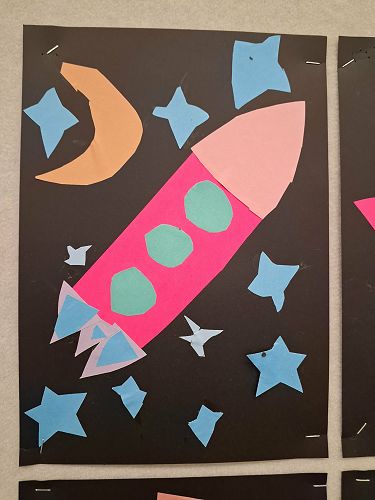
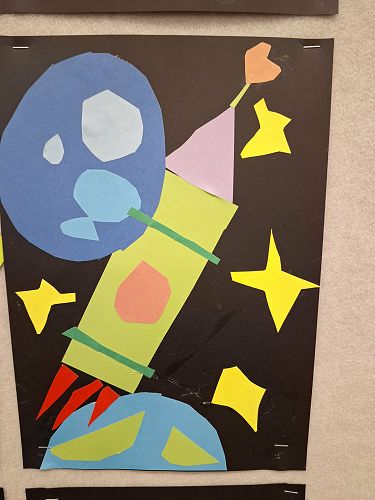
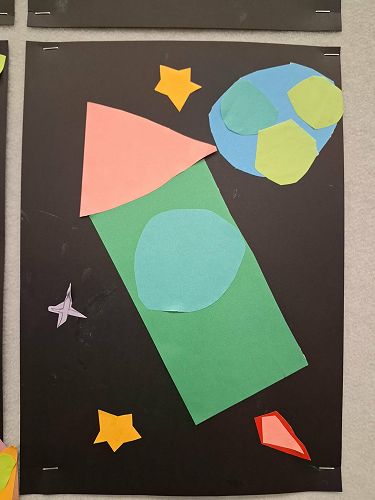
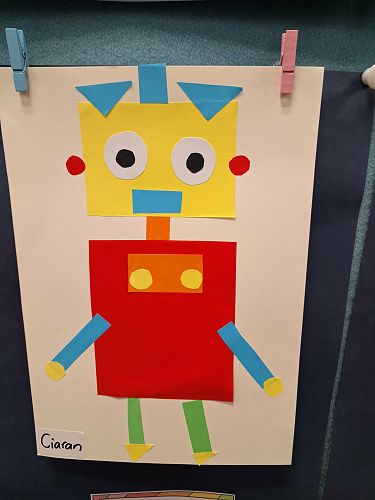
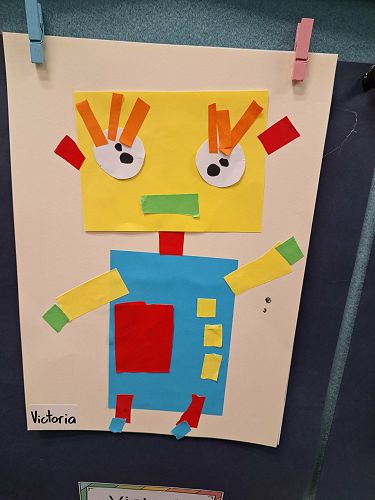
This term, the Pīwakawaka hapori has been focusing on geometry- shape, and the children have been learning to recognise, describe, sort, and explore the properties of a variety of 2D and 3D shapes. Through hands-on activities, games, problem-solving tasks, and visual art, students have further developed their understanding of shape. Alongside this learning, we have continued to strengthen the tamariki's number knowledge, building confidence in number recognition, counting, number patterns, place value, and basic facts. It has been wonderful to see the children growing in confidence as they apply these skills across a range of learning experiences.
Tūī
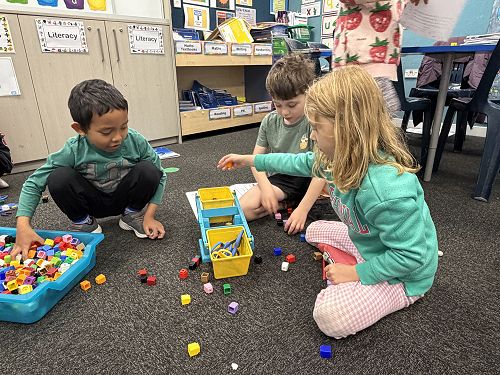
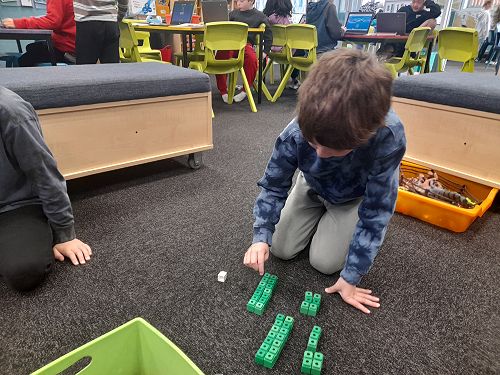
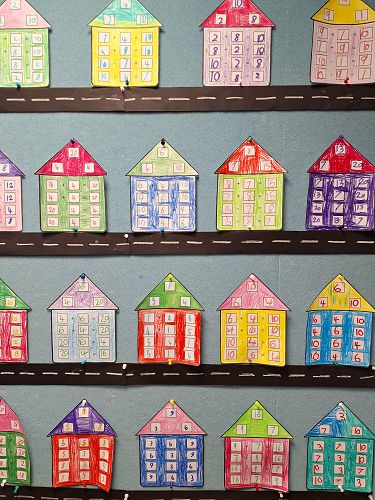
In the Tūī Hapori, students have been exploring the concepts of multiplication and division. To build a strong foundational understanding, we have been using a range of maths equipment, multiplication arrays, and diagrams. Students are also developing fluency through skip counting, maths games, and exploring the relationships within families of facts. Some students have also been exploring how to apply these basic multiplication and division facts to solve larger, more complex number problems.
Kererū
This term, our mathematicians have been exploring numbers, algebra, statistics and measurement. Here is a glimpse of some of the awesome skills your children have been developing:
Algebra: Students have been hunting for visual patterns and learning how to predict what comes next. They have also taken their first steps toward algebraic thinking—learning to solve equations by finding the "missing number," or unknown value, in a puzzle.
Number: Students have been practising various mental strategies to solve addition, subtraction, and multiplication problems, learning that there is often more than one way to arrive at an answer.
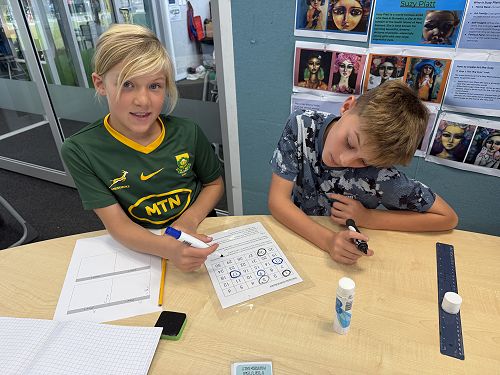
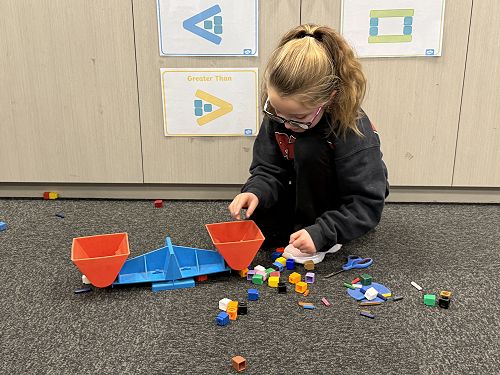
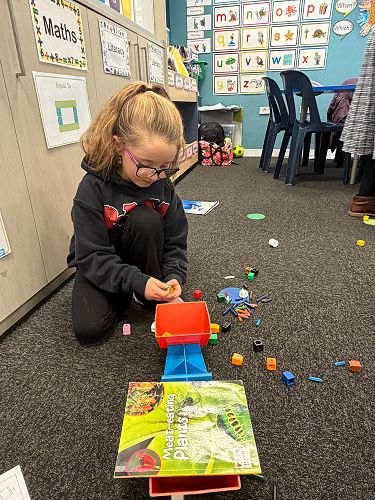
Measurement: We have been getting hands-on with measuring! Students have mastered using a ruler accurately to draw and measure straight lines. They’ve applied these skills to figure out the perimeters and areas of shapes.
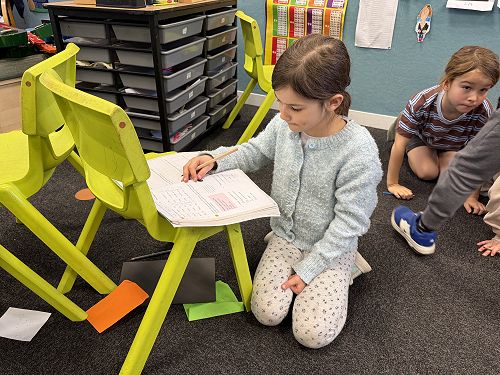
Statistics: Students have been collecting, recording, displaying and interpreting data.
Building Thinking Classrooms
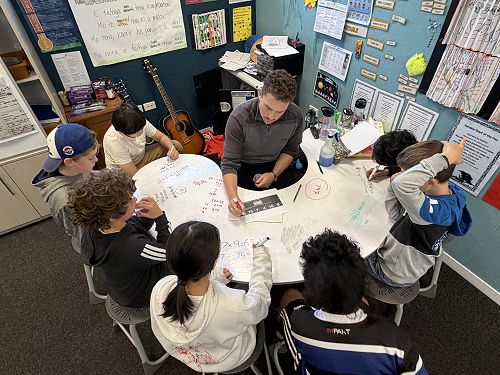
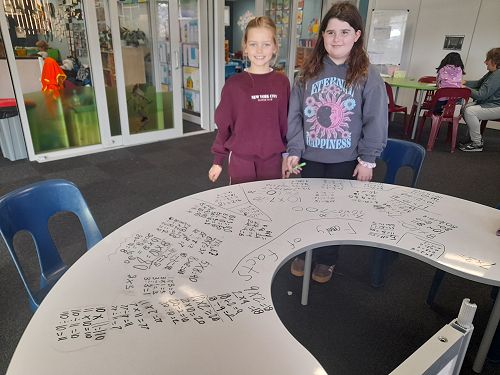
Some of our classes have been teaching using the Building Thinking Classrooms way of thinking and learning.
The Building Thinking Classrooms framework shifts the focus from memorising and copying to active thinking and problem-solving.
Here is what a typical math lesson looks like:
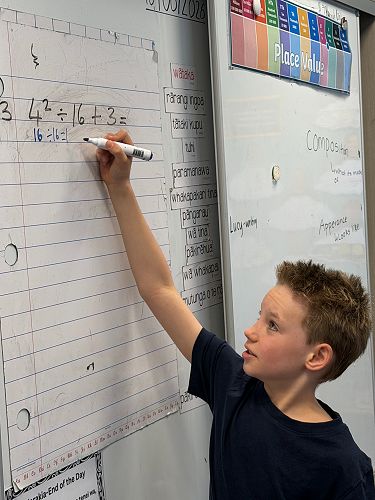
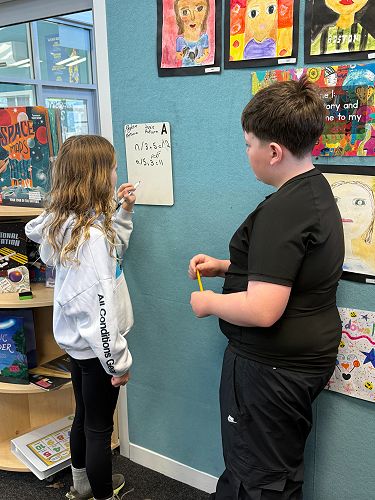
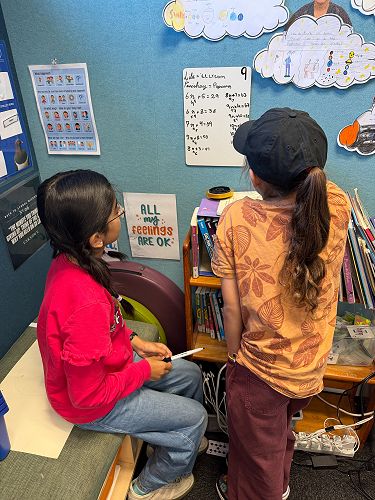
Standing and Collaborating: Students work in groups on vertical whiteboards around the room. Research shows that standing up keeps young minds engaged, and because whiteboards are easily erasable, children are much more willing to take risks, try new ideas, and make mistakes without fear.
Randomised Teams: We use a fun, completely random method (like drawing cards) to form teams. This means your child will get to work with every classmate over the school year. It teaches children how to collaborate beautifully with anyone.
Deep Problem-Solving: We launch our lessons with highly engaging "Thinking Tasks." Instead of the teacher giving the answer first, students work together to figure out the puzzle. The teacher navigates the room, asking guiding questions to prompt deeper thinking rather than just handing out answers.
What does this mean for your child?
By shifting from "sitting and listening" to "standing and thinking," our students develop a true, conceptual understanding of mathematics. They learn that getting stuck is a natural part of learning, mistakes are valuable clues, and math is a collaborative, creative language. Our goal is to ensure that each learner views themselves as a capable, confident problem-solver.
Problem Challenge
Some of our senior students take part in the Problem Challenge. Problem Challenge is a mathematics problem-solving competition aimed primarily at children in Years 7 and 8, and at those showing a strength in maths in Year 6. Occasionally, Year 5 students take part too.
The challenge has been organised by John Shanks, a retired member of the Department of Mathematics and Statistics at the University of Otago. Children participating in the competition attempt to answer five questions in 30 minutes on each of five problem sheets, which are done about a month apart, starting in April.
O’MAthlon
In August, some of our Year 5 and Year 6 students will take part in the O’Mathlon. O'MAthlon is an annual fast-paced mathematics and problem-solving competition run by the Otago Mathematics Association (OMA). The event requires teams to combine athletic speed and quick mathematical thinking to relay answers to a judge for marking.
Other Maths-Based Tasks and Learning
Maths doesn’t just happen at maths time; it is happening across the school day.
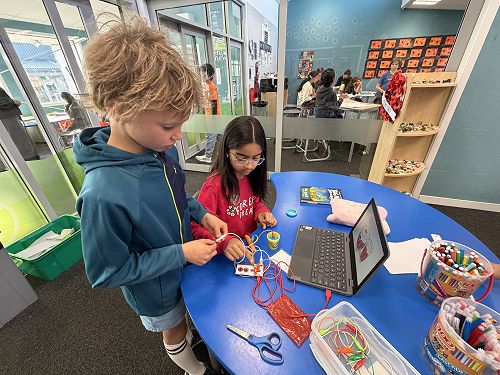
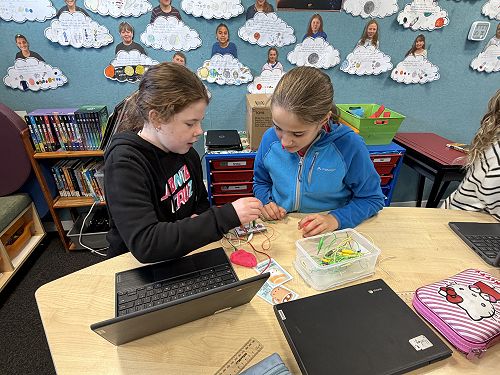
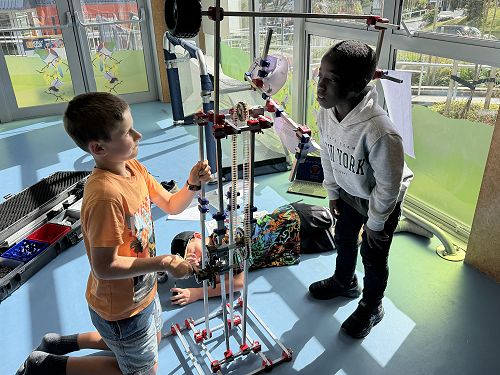
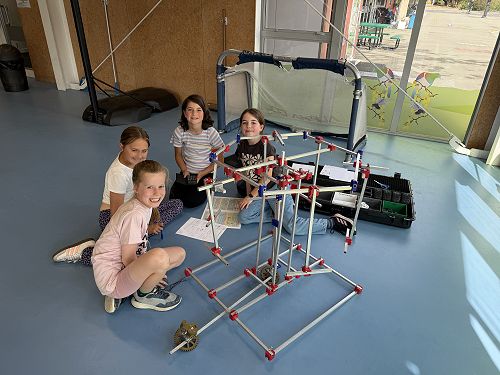
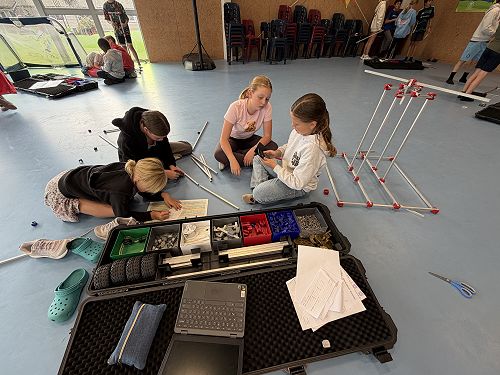
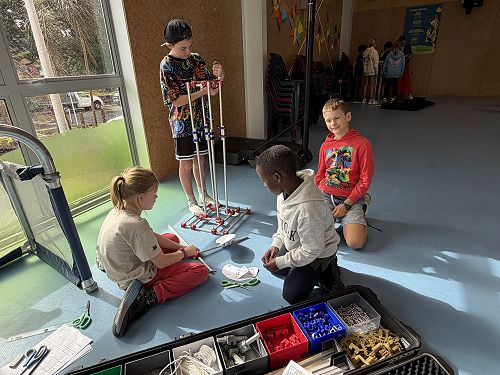
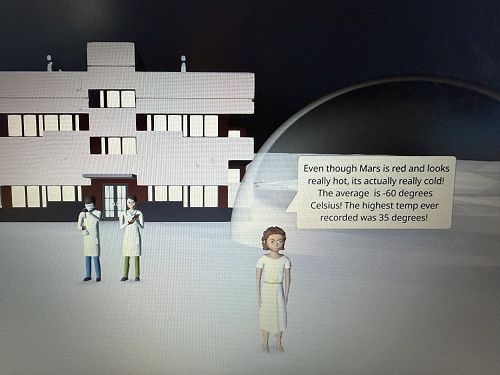
Other activities with strong maths content that your child may be involved in are Scratch and CoSpaces coding, construction and our EPro 8 engineering challenge.
“The only way to learn mathematics is to do mathematics. ”
— Paul Halmos
Bridget McDowall
Kererū Team Leader
Gallery